In short
- A billboard owns one busy location; a bus ad carries your brand through many neighbourhoods.
- Choose a billboard for a big launch or to look established on a main road or bridge.
- Choose bus ads to reach people near their homes and shops across the city for a longer period.
- Either way, keep the ad to a few words, one visual and a brand name readable from far away.
Pick a billboard when you want to own one busy place, such as a main road or a bridge, and be seen by the same commuters every day. Pick bus ads when your customers are spread across the city and you want your brand to reach many neighbourhoods. Many campaigns use both, each for a different job.
Outdoor advertising is still one of the fastest ways to make a name feel big in Egypt. It does not need a click, a feed or an app. People see it on the way to work, school or the shop. The real question is not whether outdoor works, but which format fits your goal, your areas and your budget.
What is the difference between a billboard and a bus ad?
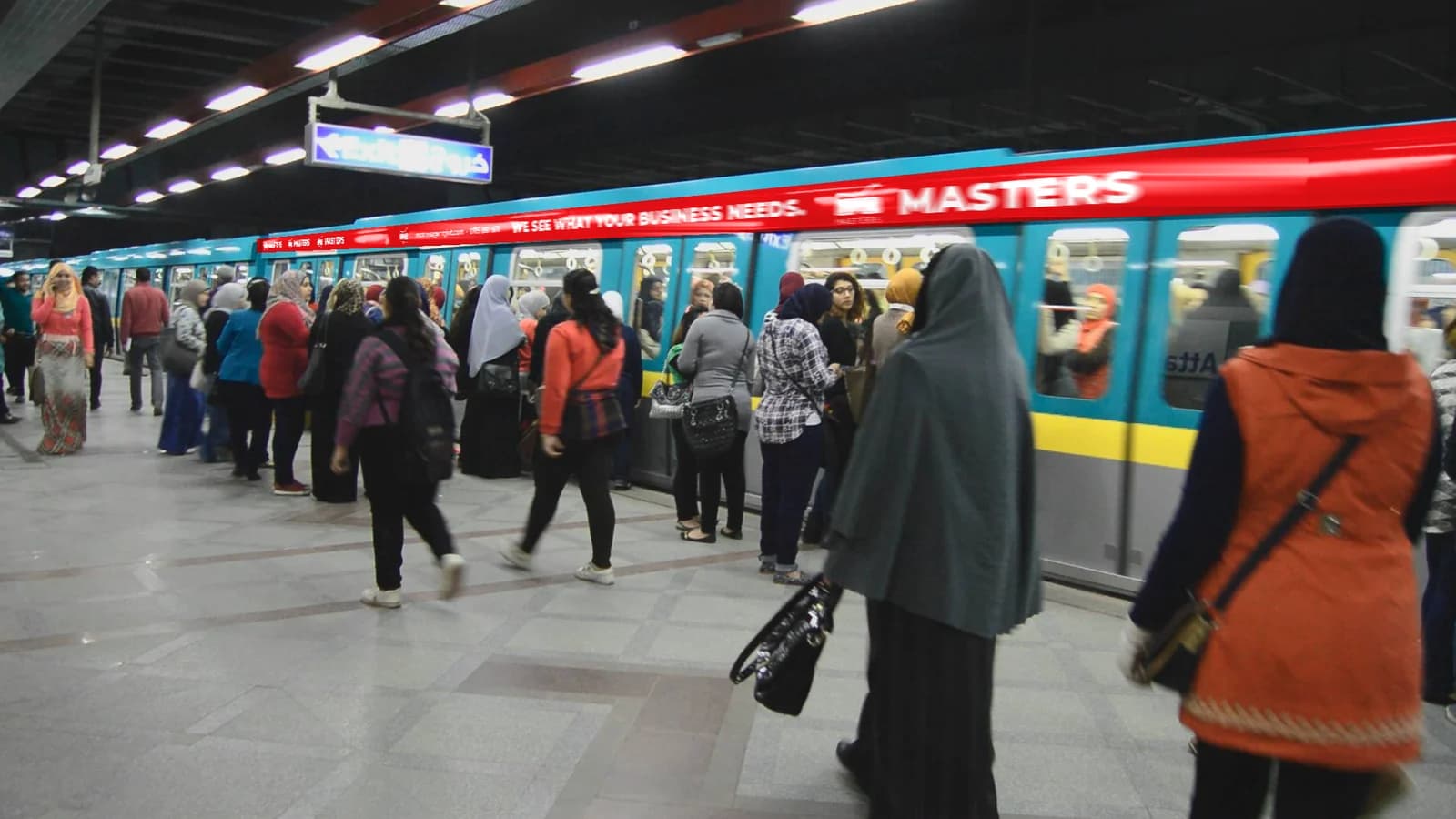
A billboard is fixed. It stands in one location, faces one direction of traffic and is seen by whoever passes that point. A bus ad moves. It is printed on the side, the back or the whole body of a bus and travels along the bus route all day.
- Billboard: one location, large size, repeated views from the same daily commuters.
- Bus ad: many locations, smaller surface, views from drivers, passengers and people on foot along the route.
- Billboard: strongest on main roads, bridges and highways.
- Bus ad: strongest inside the city, in busy streets and residential areas.
When is a billboard the better choice?
A billboard works best when you want to look established and be impossible to miss in one area. Because people pass the same board on their daily route, it builds recognition through repetition. Size helps too: a large board on a busy road makes a brand look bigger than it may actually be.
- Launching a new brand, product or real estate project
- Building awareness on a road your target customers use every day
- Being visible near a specific destination, such as a mall, a compound or a business district
- Short, high-impact campaigns around a season or an event
The weak point is that a billboard only reaches people who pass that spot. If your customers live and shop in many different areas, one board will miss most of them.
When are bus ads the better choice?
Bus ads suit brands whose customers are spread across the city. The bus carries your ad through many neighbourhoods every day, so it reaches people close to their homes, offices and shops, not only on highways. It also stays in front of people for as long as the campaign runs, without you choosing one location.
- Businesses with several branches in different areas
- Delivery services, apps and online stores that serve the whole city
- Offers that matter to a wide audience, not one neighbourhood
- Longer campaigns where steady presence matters more than one big moment
The surface is smaller than a billboard and the bus is moving, so the design has to be even simpler. A bus is often seen from the side in traffic or from behind at a light, which gives a few seconds at most.
How do the costs compare?
There is no fixed price for either format. Billboard cost depends on the road, the board size and the number of months. Bus advertising depends on the number of buses, the routes, the size of the ad and the length of the campaign. Printing and installation are part of both. The useful way to compare is to start from your goal and areas, then ask for options at a few budget levels for each format.
How to choose for a launch, a branch or a seasonal offer
- A launch: start with a billboard on the main road your audience uses, and add buses if you want to reach the wider city.
- A new branch: use street banners or a nearby board to tell the neighbourhood, and bus routes that pass the branch.
- A seasonal offer: book early, because good locations fill up before busy seasons such as Ramadan and summer.
- A city-wide service: bus ads first, since your customers are everywhere.
How to write an outdoor ad that works
People see an outdoor ad for a few seconds, often while driving. Anything they have to stop and read is lost. The same rules apply to billboards and buses.
- One message, in a few words.
- One strong visual, not a collage.
- A brand name that can be read from far away, in big type with strong contrast.
- A short phone number or social media handle, not a long website address.
- Arabic or English based on who passes, not on what looks fashionable.
Combine outdoor ads with SMS and social media
The street makes people notice you; their phone makes them act. An SMS to customers in the same area during the same week, and paid ads on Facebook and Instagram with the same message, turn recognition into calls and visits. When those calls and WhatsApp messages land in a CRM, you can also see what the campaign brought in.
Common questions
Are billboards or bus ads better for a small business?
It depends on where your customers are. A business serving one area often gets more from street banners or a board near its branch, while one that delivers across the city usually gets more from bus routes.
How far ahead should I book outdoor ads?
Plan a few weeks ahead for the best locations, and earlier before Ramadan and the summer season, when demand is higher.
Can one design be used on both a billboard and a bus?
The message and visual can be the same, but the layout should be adapted to each format's shape and viewing distance. A bus side is long and narrow, and a billboard is read from further away.
How do I know my ad is actually running?
Ask for a photo report. A good provider sends photos once the billboard goes up or once your ad is on each bus.
How Masters helps
Masters runs two outdoor services: billboards and street banners, and bus advertising in Cairo. We shortlist locations or routes that fit your areas, dates and budget, design the ad for the format, print and install it, and send a photo report. Because Masters also runs SMS, social media ads and CRM, the same campaign can follow up on the street, on the phone and online, with every response tracked.

The team in Nasr City, Cairo, behind Masters SMS, the Masters CRM and the campaigns we run for our clients, since 2012.
About Masters